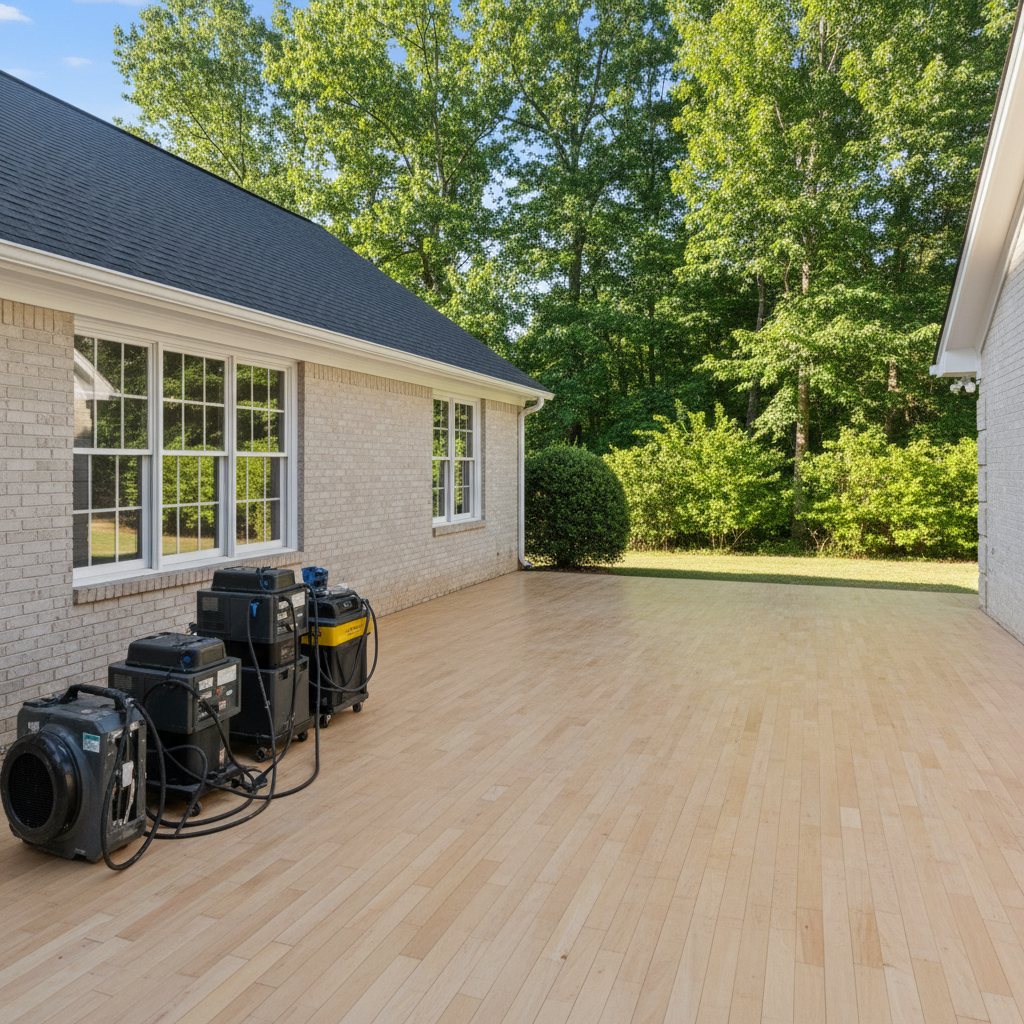
Water has receded from your floors, the industrial fans have finally been packed up, and your house is quiet again. Now what? Living through a major water event here in Norcross means you are not out of the woods just yet. Our local red clay soil acts like a giant sponge during heavy downpours, swelling up and putting massive hydrostatic pressure on foundations long after the rain stops. Paramount Restoration Service always tells homeowners that the real work starts after the initial dry-out for Water Damage Restoration Service.
Extending the Life of Your Restoration Work
Protecting the investment you just made in your home means staying ahead of Georgia humidity. You will want to keep your indoor relative humidity hovering below 50 percent. If your crawl space or basement tends to hold moisture, a dedicated dehumidifier is very important. Make sure your gutters are kicking water at least six feet away from your foundation walls. If your yard slopes toward the house, which is common in older established neighborhoods around downtown Norcross, you will want to regrade the soil or install French drains before the next seasonal storm rolls in.
What Regular Maintenance Looks Like
Keeping a post-flood home healthy takes a bit of routine upkeep. You cannot just set it and forget it.
- Check your sump pump monthly by dumping a bucket of water into the pit to verify the switch engages smoothly.
- Walk your perimeter after heavy rains to make sure water is not pooling against the siding or masonry.
- Inspect your HVAC condensate lines every spring because our sticky summers make them clog up fast with algae.
- Change your air filters regularly to catch lingering dust and debris kicked up during the cleanup process.
Warning Signs That Trouble is Brewing
Catching a secondary moisture issue early saves you from writing another big check down the road. Keep your nose open for a musty, earthy smell, which is usually your first indicator that mold is starting to colonize behind drywall or under restored flooring. Look closely at your baseboards and lower walls for peeling paint, bubbling wallpaper, or a white powdery crust called efflorescence creeping through the concrete. If doors or windows that used to close smoothly suddenly start sticking in their frames, shifting foundation soils might be putting stress back onto your structure.
When to Call a Professional
Some things you can handle with a weekend do-it-yourself mindset, but Water Damage Restoration Service has a hard line. If you spot active mold growth spanning more than a few square feet, or if you notice sagging subfloors that feel spongy underfoot, put down the toolbox. Paramount Restoration Service uses moisture meters and thermal imaging gear to see what is hiding inside your wall cavities before it rots out the framing. Do not wait until a small damp spot turns into a major structural headache, and call when you need an experienced eye on the problem.